
👋 Hey, it’s Stephane. Welcome to my weekly newsletter where I share lessons, and stories from my journey to help you lead with confidence as an Engineering Manager.
Maybe a lot of what you’ve read about AI agents sounds like sci-fi. Cute demos. Twitter hype. Or a cool hackathon project.
But you’re running a team. You don’t care about the hype. You care about solving the same 5 annoying things your engineers complain about every week.
I believe Agentic AI can help you with that. Not tomorrow. Right now.
I’ll show you exactly how.

Get hired as an Engineering Manager (sponsored)
If you are searching for an Engineering Manager job in this horrendous job market and want to make your life easier, I’ve got something for you!
I have created material that simplifies everything:
CV & LinkedIn for Engineering Managers
How to apply (and actually get interviews)
How to prep for behavioural/leadership/people & values interviews
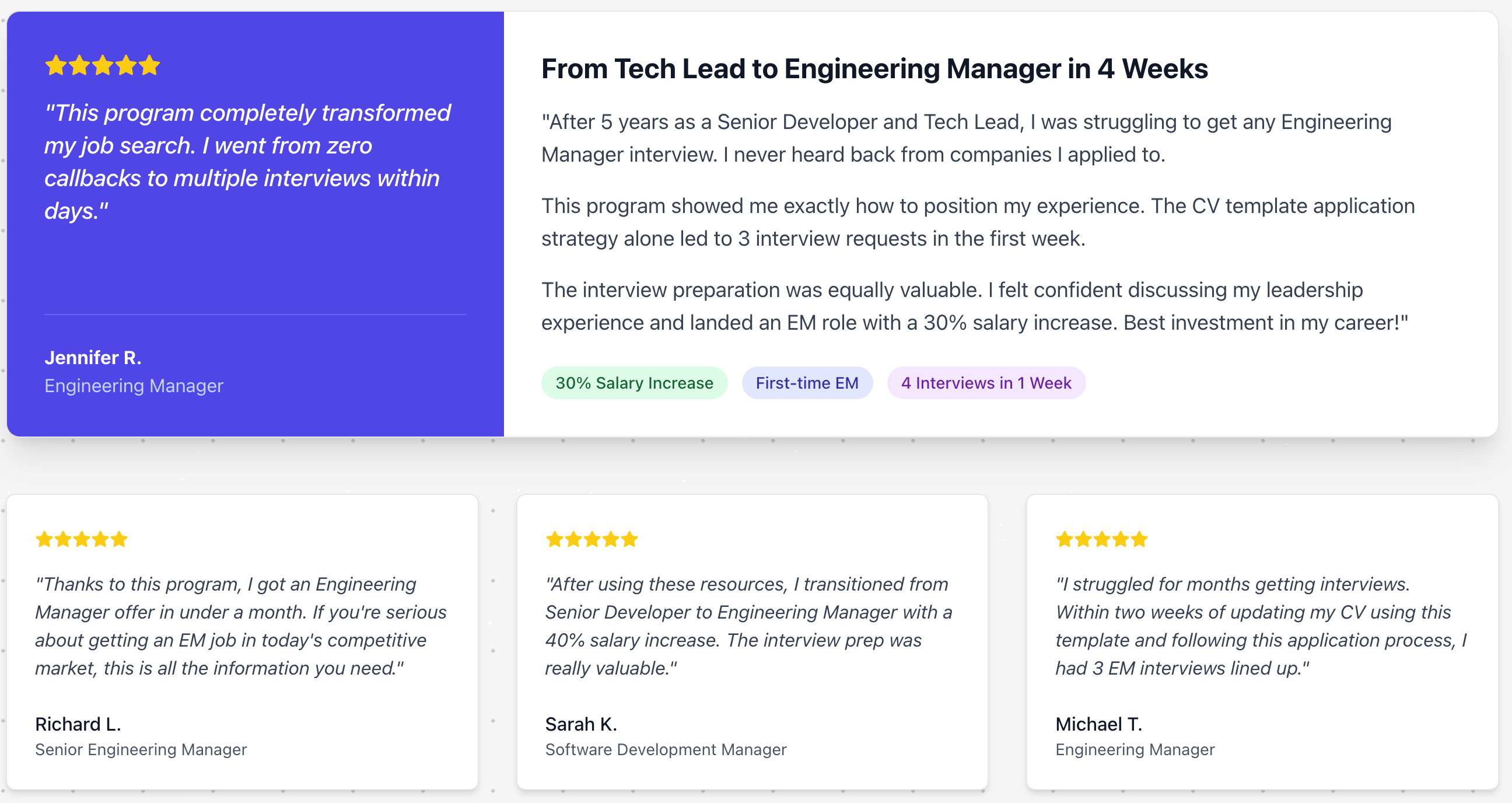
Many people have used the exact same resources in the past year and saw immediate success!
I created this system for myself first, and since I have found so much value from it, I needed to share it with you too!
If you have any questions on it, feel free to reach out at stephane@em-tools.io
Back to this week’s thought.
What is Agentic AI?
Here's the simple version.
Agentic AI refers to artificial intelligence systems that get context and can autonomously make decisions and take actions to achieve objectives without necessary human intervention.
Why should Engineering Managers care?
Agentic AI can help you:
Cut some busywork out of your team’s day.
Make smarter decisions based on data you already have.
Notify you about certain issues before they blow up.
It’s just a matter of thinking and identifying how you can put them to practice and find use cases your team will benefit from.
Here are some ideas:
1. Automate internal operations
You can create agents for things like:
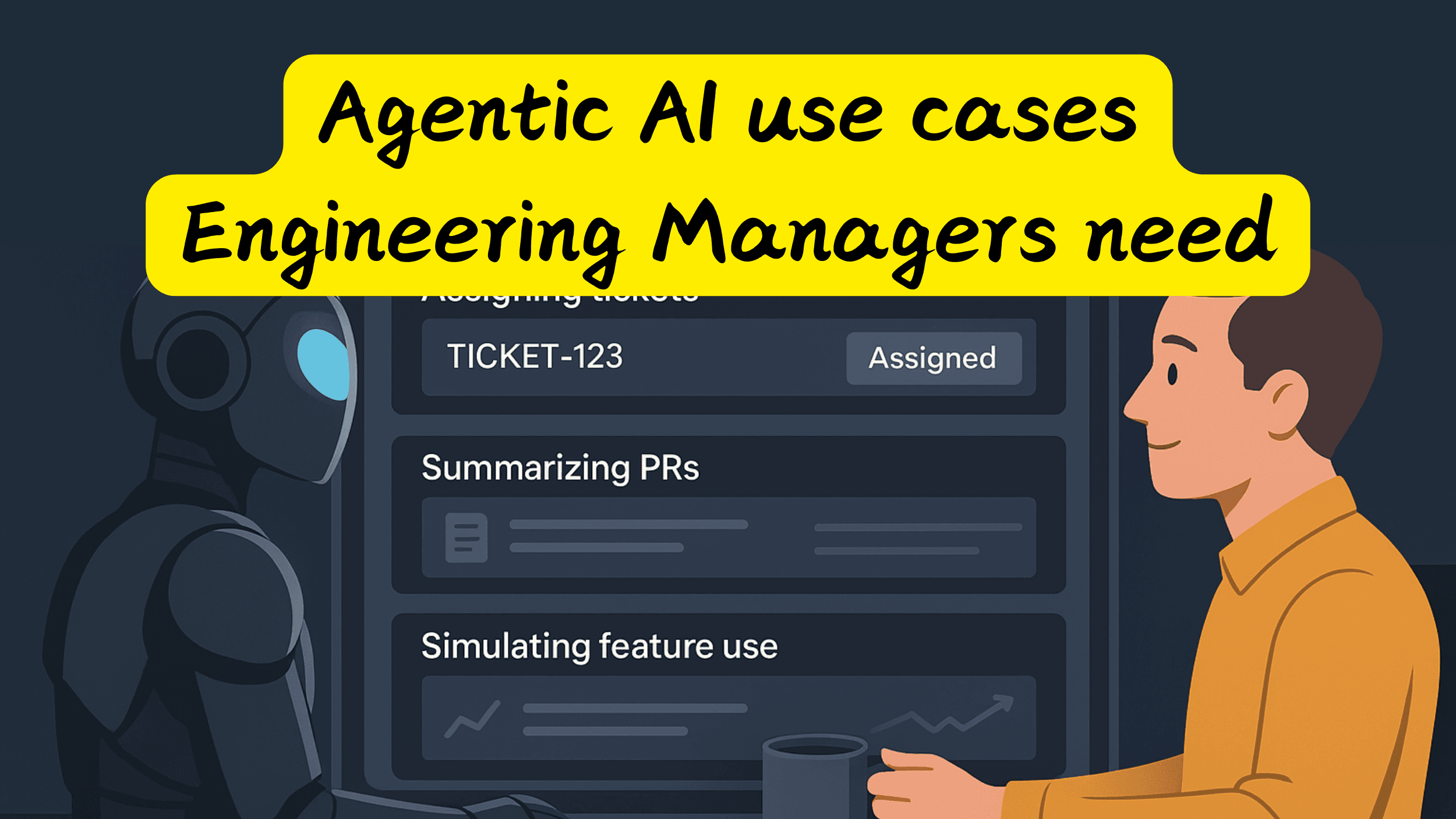
Triage of support tickets: An agent reads, tags, and routes incoming tickets based on past patterns and team ownership.
Prioritise bugs: A bug is raised with some information on it. Then an agent checks the work your team is doing this sprint, your goals, and assesses if the bug should be prioritised now or later.
Release notes from PRs: One agent summarizes merged PRs, another organizes them into user-facing notes. If you chain these agents you could have another one publish them if you’re comfortable, so no one needs to worry about release notes anymore.
2. Better pre-planning with simulations
Planning is hard. Planning across 4 squads is harder. Especially when tech debt needs to be factored in and prioritised against product features.
Try this:
Feed team inputs into a group of agents.
Have one agent play the “tech debt advocate” one act as “PM deadline pusher” and one as “risk analyst”
Have them “debate” and show you different trade-offs: delivery time, risk exposure, and dev morale for different approaches.
This can get you some insight without 9 meetings and 4 whiteboarding sessions.
Try it with your data from Jira, Confluence and GitHub. It will probably find stuff you will have missed.
Note: This should be used as just another tool to help you with decision-making. Don’t fully rely on it to make your decisions. You will find that there is always nuance that your agents might not be able to grasp.
